Deep Space Station Puzzle Quest
Review
Deep Space Station Puzzle Quest builds its tension from absence: an empty station, a dark layout, and a non-human presence you cannot fight. The eight-cell objective gives clear structure, while the unpredictable inhabitant forces players to weigh exploration against risk. It suits patient puzzle fans and younger players alike, though anyone seeking combat, tools, or fast action will find the deliberate pace limiting.
About This Game
Stranded at an Abandoned Outpost
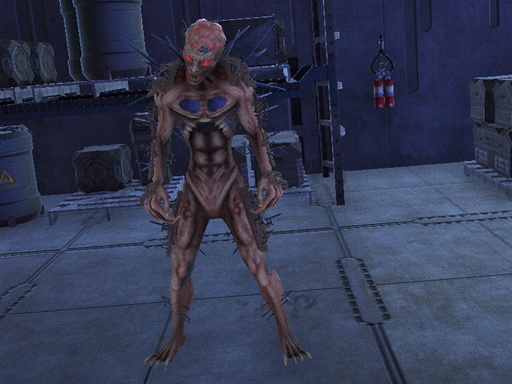
Deep Space Station Puzzle Quest opens with a simple problem: your cruiser has run out of energy, and the nearest outpost is the only place to refuel. That station, however, is not welcoming. Humans have vanished from it, and something non-human remains aboard. Your task is to locate eight energy cells hidden throughout the facility, restore power to your ship, and leave. The premise keeps the stakes personal rather than cosmic, which suits the game's family-friendly tone.
Searching, Planning, and Avoiding
Movement through the station uses mouse or keyboard controls. Corridors and rooms are dark, so progress depends on careful exploration rather than speed. The inhabitant moves unpredictably, which turns every route into a risk assessment. Do you check one more room for a cell, or retreat toward a safer path? Because there are no tools or combat options, the environment itself becomes your main ally. Learning how the threat behaves and using the station's layout to your advantage is the core skill the game asks you to develop.
Puzzle Design and Pacing
Puzzles are scattered alongside the energy cells, and they reward patience over reflexes. Rushing tends to produce mistakes, while observation reveals patterns and openings. The game deliberately avoids graphic content, so tension comes from timing, sound cues, and the possibility of being caught rather than from violence. That combination makes the experience suitable for younger players and for anyone who prefers problem-solving to action.
Who This Suits
Players who enjoy stealth-adjacent exploration, memory challenges, and slow-burn suspense will find the structure familiar. The eight-cell objective gives each session a clear finish line, and the unpredictable inhabitant keeps repeat routes from feeling identical. Anyone expecting combat, complex inventories, or multiplayer options should look elsewhere, since the design is built around solo navigation and mental sharpness.





💬 Comments
0 comments