
Hospital Care Simulation Game
Review
Hospital Care Simulation Game focuses on diagnosis and treatment order rather than frantic emergency action. Its strengths are accessible controls, guided procedures, and a supportive tone that introduces basic medical concepts without graphic content. The main limitation is depth: cases follow a similar observe-diagnose-act loop, so players seeking complex medical simulation may find it simple. It best serves younger players and casual fans of care-oriented games.
About This Game
Treating Ambulance Arrivals
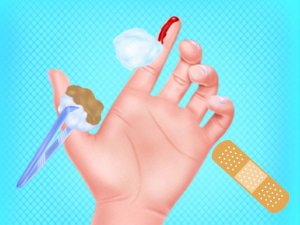
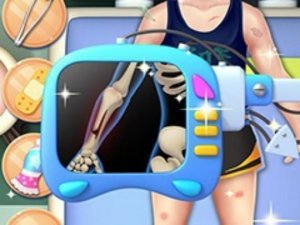
Patients arrive by ambulance, and the player's job is to diagnose their health issues before choosing the right treatment. Each case follows a sequence: greet the patient, check vital signs, select tools such as a stethoscope or bandages, and carry out the required procedure. The game frames hospital work as a calm routine rather than a high-pressure emergency, so the focus stays on careful observation and correct order of steps.
Tools, Instructions, and Timing
On-screen prompts guide every action, which keeps the learning curve low for younger players and adults new to medical simulations. Using a mouse or touch controls, players pick instruments from the interface and apply them to the patient. Accuracy and speed both matter for earning points, but the game does not punish mistakes harshly. Managing more than one patient at a time adds light time-management pressure without graphic content or intense scenes.
Who This Medical Sim Is For
This title suits players who prefer helping over competing. It works as an introduction to basic medical concepts, including vital-sign checks and treatment order, in a supportive setting. The Baby Hazel and Girls tags point to a younger, care-oriented audience, though the simple controls and clear instructions make it playable by anyone curious about hospital routines. Different patient cases keep the routine from feeling identical, and each completed treatment reinforces the same core loop: observe, diagnose, act.








💬 Comments
0 comments