Memory Match Puzzle
Review
Memory Match Puzzle delivers exactly what its name suggests: a tile-flipping memory challenge with cheerful visuals and a relaxed pace. The absence of time limits makes it welcoming for children and adults who prefer to think before acting. Multiple levels add gradual difficulty, though the core loop stays consistent. It is a solid choice for short breaks or casual brain training, but players seeking fast-paced action or complex mechanics may find it too simple.
About This Game
Core Matching Mechanics
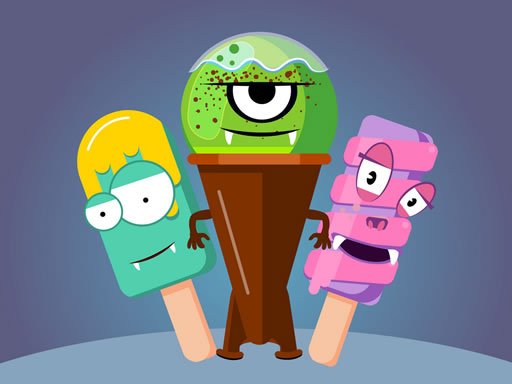
Memory Match Puzzle is built around a single, clear task: flip tiles to reveal images, then find identical pairs. Each tile shows a colorful picture, and your goal is to remember where each image sits so you can match them with as few flips as possible. The game tracks your moves, giving you a simple way to measure how efficiently you clear each board. There are no time limits, so you can think through every flip without pressure.
Progression and Difficulty
The game includes multiple levels, each introducing a new arrangement of tiles. As you advance, the difficulty increases, though the core rule stays the same. This structure lets you build confidence on easier boards before facing tougher ones. Because there is no timer, the challenge comes from your own memory and focus rather than speed. Each session offers a fresh set of tiles to match, encouraging repeat play.
Controls and Accessibility
You play using a mouse or touch screen. Clicking or tapping a square flips it to show the image underneath. The controls are simple enough for children and casual players, yet the memory challenge can still engage adults. The friendly graphics keep the mood light, and the absence of time pressure makes it suitable for players of all ages. Whether you are on a computer or a mobile device, the basic interaction remains the same.
Improving Your Recall
Success depends on memorizing tile positions as you flip them. Try to complete each level with as few moves as possible by remembering where matching images are located. Practicing regularly can help improve recall speed and accuracy. Since there are no time limits, take a moment to think before each flip. Starting with easier levels can help build confidence before tackling more challenging puzzles.







💬 Comments
0 comments