Hyper Drop 3D
Review
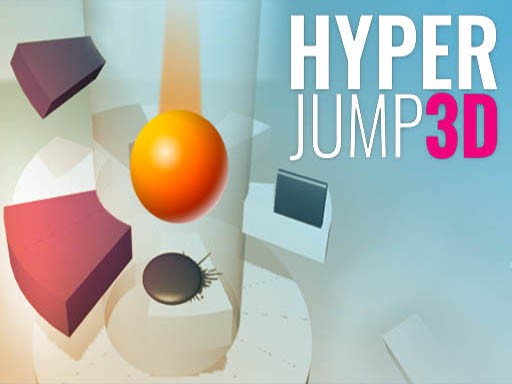
Hyper Drop 3D works because its rules are instantly clear: break colored platforms, avoid black ones, and keep the falling ball alive. The rotating helix layouts and procedurally generated arrangements give each attempt a different rhythm, while increasing speed tests pattern recognition under pressure. It suits players who enjoy quick reflex challenges and do not need story, upgrades, or multiplayer. The main limitation is that the loop stays narrow, so anyone seeking long-term progression may lose interest.
About This Game
Timing Over Everything
Hyper Drop 3D strips arcade action down to a single decision: when to tap. A ball drops automatically through a tower of spinning helix platforms. Colored platforms are safe to break; black ones end the run. Because the ball never stops falling, every tap is a commitment. The game does not ask for combos or power-ups, only clean timing.
Rotating Helix Layouts
Each level arranges its rotating rings differently. Platforms shift as the ball descends, so a gap that looks safe now may rotate into danger a second later. This constant motion is the main source of difficulty. Players learn to read the spin direction and predict where colored platforms will be when the ball arrives. Procedurally generated layouts keep sessions from repeating.
Escalating Speed and Complexity
Early levels give players room to breathe, with slower rotations and clearer color separation. As progress continues, platforms spin faster and layouts grow more complex. The shift is gradual enough to feel fair but steep enough to demand focus. Mistakes restart the level, so consistency matters more than raw speed.
Who It Suits
Hyper Drop 3D targets players who enjoy short, focused arcade sessions built on reaction time. The one-tap control scheme works for all ages, and bright 3D graphics with smooth animations keep the screen readable. Anyone expecting deep progression systems or multiplayer will not find them here. The appeal is a quick mental workout that rewards pattern recognition and calm hands.




💬 Comments
0 comments