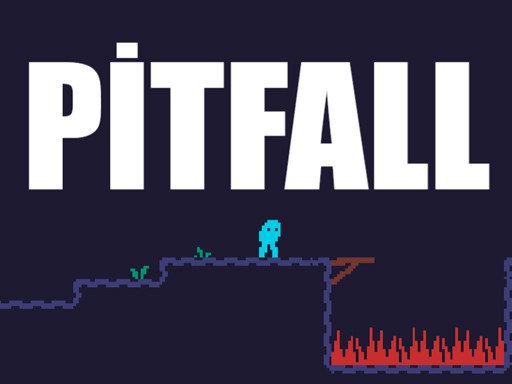
Hidden Path Obstacle Arcade
Review
Hidden Path Obstacle Arcade succeeds by making information the scarcest resource. Players cannot simply react to what they see because the dangers are hidden until the special ability is used. That design rewards planning, memory, and timing over reflexes. The family-friendly approach keeps it accessible, and the escalating complexity gives it staying power. The main limitation is pace: players seeking constant action may find the deliberate movement slow, but that restraint is central to the concept.
About This Game
The Reveal Mechanic
What separates Hidden Path Obstacle Arcade from standard obstacle courses is that almost nothing threatening is visible by default. Traps and alien creatures occupy the same space the player moves through, but they only appear when the special ability is active. That single design choice changes the entire rhythm of play: instead of reacting to what is on screen, players must decide when to spend their reveal and what to do with the information it provides.
Reading the Space Before You Move
Movement is deliberate rather than fast. Each area has to be crossed carefully because a step taken without prior information can end the run. Activating the ability shows what lies ahead, but the window it creates is limited, so players learn to scan, remember positions, and then commit to a route. Sudden dangers emerge as levels progress, which means the same cautious approach that works early on has to be adjusted rather than repeated.
Rising Complexity and Alien Threats
Later stages introduce new surprises rather than simply more of the same obstacles. Alien creatures and hidden pitfalls combine in ways that punish careless movement and reward planning. Because the challenge scales through arrangement and timing instead of raw speed, progress depends on pattern recognition and decision-making under pressure. Reaching the end of a level without falling into a pit or being caught is the consistent measure of success.
Who This Suits
The family-friendly design keeps the content appropriate for all ages, and the absence of combat means the tension comes from awareness and timing rather than violence. Players who enjoy puzzle-like navigation, memory of hazard placement, and the satisfaction of a clean run will get the most from it. Those expecting constant action may find the pace slower, but that restraint is exactly what the invisible-world concept is built around.





💬 Comments
0 comments