Color Tower Puzzle 3D
Review
Color Tower Puzzle 3D fits players who want a quick, low-commitment puzzle they can open in a browser tab. Its rotating tower adds a spatial wrinkle to standard color matching, and chain reactions give each shot more weight than it first appears. The gradual difficulty curve suits casual players, while shifting tile arrangements keep repeat sessions from growing stale. The main limitation is that the source material does not describe specific level counts, story elements, or multiplayer features, so the experience is best understood as a focused, session-based puzzler rather than a deep campaign.
About This Game
Rotating, Aiming, and Clearing Tiles
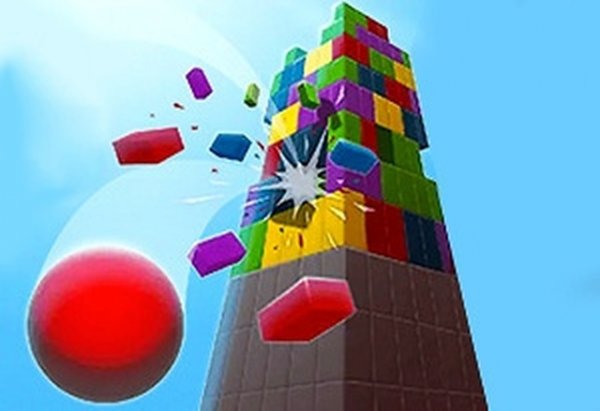
Color Tower Puzzle 3D is a point-and-match puzzle game built around a single repeating action: rotate a three-dimensional tower and launch colored balls at shapes that share the same color. [IMG_1] The objective is straightforward—remove every targeted tile to clear the round. What makes each attempt interesting is how the tower's rotation changes your angle of attack. A tile that looks unreachable from one position may open up after a quarter turn, and a well-placed shot can set off chain reactions that wipe out large sections at once.
Controls and Session Flow
Players use the keyboard or mouse to rotate the tower and aim. The game runs directly in a desktop or mobile browser, with no installation required. Sessions can be as short as a few minutes or stretch longer, depending on how many rounds you want to attempt. Early stages give you room to practice movement and matching before layouts become more demanding, so the learning curve stays gentle without removing the challenge.
Progression and Replay Value
Each round presents a different arrangement of tiles and obstacles, which keeps repeated play from feeling identical. Objectives become more demanding as you progress, and the reward structure encourages completing goals and beating personal records. Because the tile layouts shift, the same strategy rarely works twice—players who observe the tower before shooting tend to fare better than those who fire immediately.
Approaching Each Round
Before taking a shot, scan the tower for clusters of matching colors and note which tiles sit behind others. Prioritize primary objectives over optional ones, and stay calm when difficulty rises; rushed moves tend to cause mistakes. In point-and-match games, combining careful aiming with smart planning is what separates a clean clear from a messy one.









💬 Comments
0 comments