Melody Hopper Rhythm Runner
Review
Melody Hopper Rhythm Runner keeps its scope tight: collect all notes, avoid patrols and hazards, reach the exit. The double jump adds a skill layer that separates casual play from mastery, and the gradual difficulty curve introduces tighter platforming without overwhelming new players. Colorful art and upbeat music support the light tone. Its main limitation is that the core loop stays the same across stages, so players wanting varied mechanics may find it repetitive.
About This Game
Level Goals and Collectible Routing
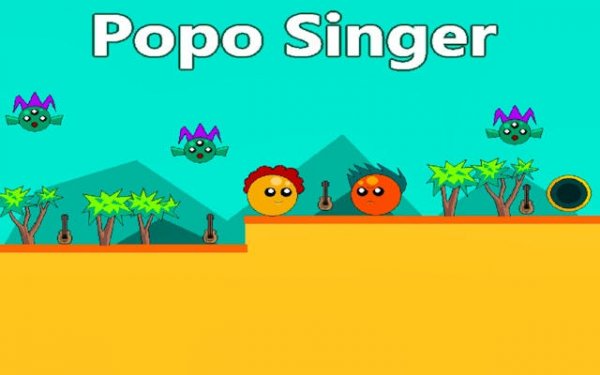
Melody Hopper Rhythm Runner builds each stage around one clear task: gather all scattered musical notes, then reach the glowing exit portal. The level only ends after every note is collected and the exit is touched, so the real challenge is planning a route that covers each note without running into moving patrols or stationary hazards. Because the exit stays inactive until the collection is complete, you cannot rush straight to the portal. You have to read the layout, decide which notes to grab first, and time your movement around patrol patterns. [IMG_0]
Movement, Double Jump, and Timing
Controls are limited to left, right, and crouch inputs, plus a jump. Pressing jump twice in quick succession triggers a double jump, which opens up higher platforms and hidden areas that a single jump cannot reach. That extra mid-air boost is the main skill the game tests. Later stages place notes above gaps or behind patrol routes that require a well-timed double jump, so learning the rhythm of the input matters as much as knowing where to go.
Art, Music, and Feedback
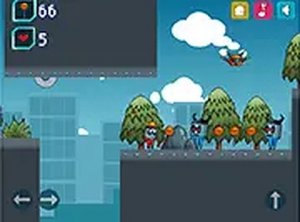
The game uses cheerful, colorful 2D art with a clean style that suits players of any age. Upbeat background music reinforces the lighthearted tone, and sound effects give clear feedback when you collect a note or reach the exit. That audio-visual pairing keeps the mood consistent and helps you track progress without relying only on the screen.
Difficulty Curve and Family Play
Early levels introduce the basics gently, with fewer patrols and wider platforms. As you progress, stages add more moving patrols and tighter platforming sections that demand better coordination and memory of obstacle patterns. There is no violent content and no complex systems to learn, so children can start immediately, while the double jump gives experienced players something to master. Sessions work for short breaks or longer play.



💬 Comments
0 comments