Precision Path Puzzle
Review
Precision Path Puzzle stands out for making resource management the heart of its challenge. With a fixed number of projectiles per stage, players must read the layout, account for bounces and movable objects, and commit to a plan before firing. The gradual introduction of new environmental elements keeps the difficulty curve fair, and the clean, cheerful presentation makes it easy to recommend to families. Its main limitation is that the input material does not describe audio, story, or online features, so those expecting a narrative or multiplayer component should look elsewhere.
About This Game
Shooting With a Limited Supply
Every stage in Precision Path Puzzle hands you a fixed number of soft projectiles and one clear objective: eliminate all target markers in the environment. Because shots are finite, random firing rarely works. You have to survey the layout, spot clusters of targets, and decide the order in which to clear them. The core loop is simple—aim, adjust power, release—but the planning behind each shot carries the real weight. A missed projectile is a lost resource, so the game rewards patience over reflexes.
When the Stage Fights Back
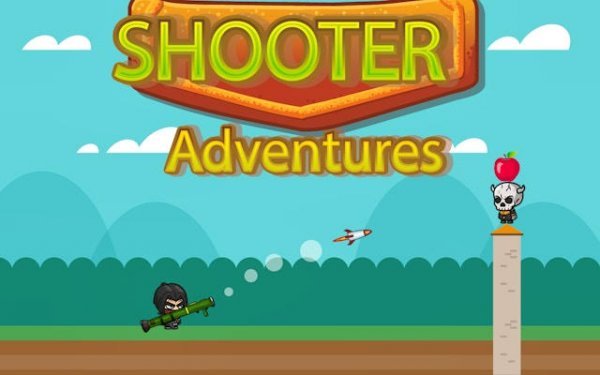
Levels are not passive backdrops. Walls, ramps, and movable objects all interact with your projectiles, which can bounce off surfaces, roll along slopes, or knock over stacked items. That opens up indirect solutions: a single shot might ricochet off a wall to strike a target tucked behind a barrier, or topple a tower of blocks that clears several markers at once. Reading how each environment piece will react becomes just as important as aiming accurately. [IMG_1]
A Difficulty Curve Built on New Elements
Early stages keep things open and forgiving, with a few targets and plenty of room to experiment. As you progress, targets move into harder-to-reach positions, obstacles multiply, and your projectile count tightens. The game introduces new environmental pieces gradually, so each addition gets its own chance to be understood before the next one appears. That steady escalation keeps the challenge fresh without tipping into frustration, and it gives you a reason to revisit earlier stages for more efficient solutions.
Feedback and Everyday Controls
Clear visual cues confirm what happened after each shot. A hit on a target produces a distinct effect, so you can trace the chain of events even when a projectile takes an unexpected path. Some stages reward bonus points for hitting multiple targets with one shot or for finishing with projectiles to spare, which nudges you toward refining your technique rather than settling for a bare clear. The presentation stays clean and cheerful, making the game approachable for younger players while still offering enough depth for adults.
Controls are built for instant play. On a computer, you aim and fire with the mouse; on a touchscreen, you use your finger. A single drag gesture sets both angle and power, and releasing launches the projectile. Nothing about the input method gets in the way of the puzzle itself.








💬 Comments
0 comments