Picture Word Pairs
Review
Picture Word Pairs does one thing well: it connects pictures to words through a simple matching loop. The two-mode system lets beginners take their time while offering a mild challenge for those ready for it. Positive feedback and a lack of harsh penalties make it suitable for young children and language learners. The game's strength is its clarity, though players seeking varied activities or advanced vocabulary may find the scope limited.
About This Game
How a Round Works
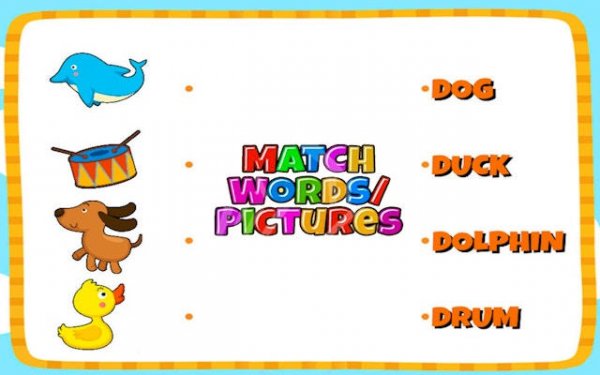
Each round presents a small collection of pictures alongside text labels. Players first select an image, then choose the word they believe matches it. The game immediately confirms correct choices, so the connection between the picture and the word is reinforced without delay. This simple loop keeps attention on learning rather than on navigating menus or complex rules.
Two Modes for Different Paces
Picture Word Pairs offers two ways to play. Relaxed mode lets players take as much time as they need on each puzzle, with no penalty for slow decisions. Standard mode adds a gentle challenge by limiting the number of attempts before a round ends. Both modes use the same matching activity, so players can switch as their confidence grows. The mild pressure in standard mode adds engagement without causing stress.
Why Picture-Word Pairing Helps
Pairing images with text is a well-established way to strengthen memory. In Picture Word Pairs, each word appears next to a friendly illustration. When a child sees a picture of a dog and reads the word 'dog', the two pieces of information reinforce each other. Repeated pairing over time helps the child recognize the word independently. The game includes categories like common animals and everyday objects, exposing players to a broad range of terms.
Feedback That Encourages Another Try
Correct matches trigger a cheerful visual cue and a pleasant sound, associating the right answer with a positive feeling. Wrong matches produce a gentle signal that encourages another attempt. There is no harsh buzzer or negative message. This supportive loop helps children stay engaged even when they make mistakes, which matters for young learners who are still building confidence with new words.
Using the Game at Home or in Class
The simple controls mean even very young children can play with minimal adult help. Parents can use it as a quiet activity during downtime, letting children practice vocabulary without screen time feeling like a chore. Teachers might incorporate the game into a language center or use it as a warm-up before a reading lesson. The design prioritizes clarity and calm, making it a reliable tool for building foundational language skills.




💬 Comments
0 comments