Tile Pair Number Puzzle
Review
Tile Pair Number Puzzle keeps its rule set minimal: match two adjacent tiles with the same number, and watch the board rearrange. The interest comes from how that rearrangement creates or destroys future opportunities, especially once move limits appear. Bright tiles and tap-only controls make it accessible to younger players, while later grid sizes give adults something to plan around. It is best suited to short, quiet sessions rather than intense competition.
About This Game
The Matching Mechanic
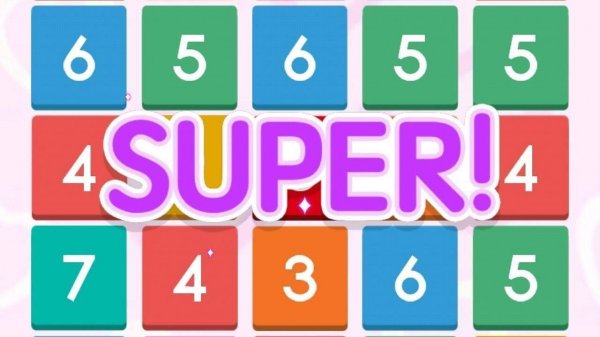
Each level presents a grid of numbered tiles. Your task is to find two tiles that share the same number and sit next to each other, then select them both. A correct pair disappears, and the tiles around it shift, which can expose fresh matches that were hidden a moment earlier. The game confirms every successful match with clear visual feedback, so the rule set is understood within seconds. Because removed tiles cause the board to rearrange, a move that looks obvious can open a chain of follow-up pairs—or close one off.
How Levels Escalate
Early boards are small and forgiving, letting you learn the pairing rule without pressure. As you progress, grids expand and the arrangement of numbers becomes less predictable, so scanning the whole board matters more than reacting to the first pair you notice. Some stages ask you to clear a set number of tiles or reach a target score within a limited move count. That move limit is what turns a casual matching task into a planning exercise: every selection should ideally set up the next one.
Look, Feel, and Controls
Brightly colored tiles with large, legible numbers keep the board readable even when it fills up. The interface stays minimal, with nothing competing for attention, and matching animations are smooth enough to feel like a small reward rather than a delay. Tapping is the only input required, so no tutorial or instruction screen is necessary. The overall presentation is cheerful and uncluttered, which suits short sessions as well as longer ones.
Offline and Session-Friendly
No connection is needed at any point, so the game works on a flight, a commute, or anywhere signal is unreliable. Progress is preserved between sessions, meaning you can stop mid-level and return later without losing your place. The absence of online requirements also removes data usage concerns and interruptions tied to connectivity.





💬 Comments
0 comments