Keep the Keep Arrow Defense
Review
Keep the Keep Arrow Defense targets players who want accessible arcade action with a strategic edge. Its cartoon visuals and simple point-and-release controls suit casual and family sessions, while the mix of fast, nimble enemies and slow, durable ones keeps decision-making meaningful. Difficulty climbs steadily through practice rather than luck, which gives the game a satisfying learning curve. The main limitation is that its core loop stays within the defense genre, so players seeking deep progression systems may find it modest.
About This Game
Fortress Defense Basics
Keep the Keep Arrow Defense puts you in charge of a walled stronghold. Attackers arrive in a steady stream, and your job is to stop them before they break through. These invaders come in different shapes and sizes: some cross the field quickly, while others absorb more hits before retreating. Success depends on reading the field and deciding which threat to handle first. [IMG_1]
Aiming and Timing
The core interaction is pointing and releasing arrows at approaching enemies. Each shot asks you to account for the target's speed and distance. As the game progresses, the pace picks up and groups arrive from multiple angles, forcing rapid decisions about where to focus. Controls stay simple throughout, so the challenge comes from strategy rather than complex inputs. [IMG_2]
Enemy Variety and Adaptation
Different opponent types appear as you advance. Small, nimble enemies weave as they approach, while large, slow ones require several well-placed shots to stop. Later stages introduce mixed groups that demand quick reassessment of your approach. This variety keeps sessions fresh and encourages you to refine your technique over time.
Visual Style and Atmosphere
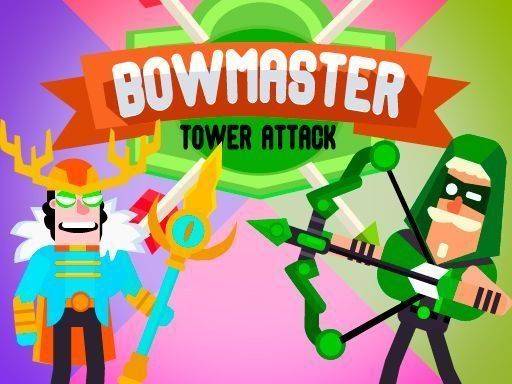
The game presents a bright, cheerful world with no frightening elements. Characters are drawn in a friendly, exaggerated cartoon style that suits players of all ages. Backgrounds are simple but colorful, helping you focus on the action without distraction. This visual approach makes the experience suitable for family play and casual sessions.
Progression and Challenge
Each level builds on the last, gradually increasing difficulty. Early rounds let you learn the basics, while later stages require faster reactions and better planning. The game does not rely on luck; improvement comes from practice and observation. This steady ramp-up provides a satisfying sense of accomplishment as you master each new challenge.





💬 Comments
0 comments