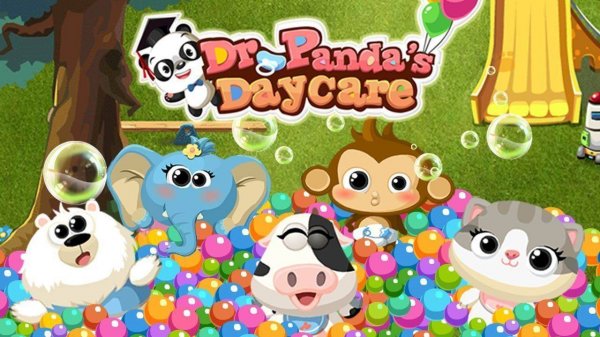
Panda Pet Care Playhouse
Review
Panda Pet Care Playhouse is a calm simulation aimed at young children, built around reading animal cues and responding with simple tap-and-drag actions. Its strengths are the absence of timers, scores, and ads, plus a design that encourages kindness and planning during party events. Parents seeking a non-competitive digital play space will find it appropriate, though older kids may want more challenge.
About This Game
A Nursery Built for Young Caregivers
Panda Pet Care Playhouse hands children the role of caretaker in a cheerful animal nursery. Each baby animal—from a playful monkey to a sleepy lion cub—communicates its needs through distinct signals. The child reads those cues and responds, which turns every interaction into a small lesson in cause and effect. Bright colors and friendly faces keep the space inviting, while the absence of alarms or countdown timers means a child can pause, think, and act at their own speed.
Tap, Drag, and Respond
Care tasks rely on simple tap and drag motions. Children prepare snacks in a tiny kitchen, pick toys from a colorful chest, or run a warm bath for an animal that needs one. When a baby gets drowsy, a gentle rocking motion in a cozy crib helps it settle. The interface is sized for small fingers, so actions are easy to discover without reading complicated instructions. Each completed task gives immediate feedback, reinforcing the link between what the child does and how the animal responds.
Parties, Planning, and Cooperation
Special events such as birthday parties add variety to the routine. Children decorate a room with streamers, bake a pretend cake, and gather the animals for a group celebration. These moments ask for light planning: deciding which decorations to use and when to serve the treat. The emphasis stays on joyful creativity rather than competition, so there is no winning or losing—only the satisfaction of putting together a small event for the nursery's residents.
A Calm, Ad-Free Space
The game is designed as an ad-free experience with no in-app purchases, which keeps play uninterrupted. There are no scores, levels, or time constraints. That structure reduces anxiety and lets children learn at their own pace, while parents can expect content that promotes kindness and problem-solving. The result is a digital play space focused on nurturing rather than performance.





💬 Comments
0 comments