Dual Path Puzzle Quest
Review
Dual Path Puzzle Quest stands out by making coordination the central challenge rather than a secondary feature. Because both characters respond to the same input, every stage becomes a logic problem about shared consequences. The gradual introduction of switches, moving platforms, and timed elements keeps the difficulty curve fair. Bright visuals and a gentle reunification theme make it approachable for families, though players seeking action or reflex-based platforming may find the pace too deliberate.
About This Game
One Input, Two Characters
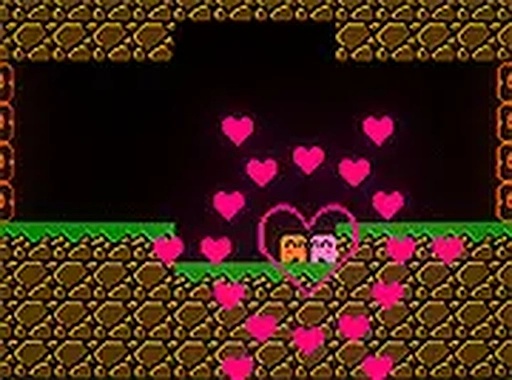
Dual Path Puzzle Quest centers on a simple but demanding rule: two characters, distinguished by color, respond to the same command at the same time. Pressing a direction moves both figures, so a route that looks safe for one may push the other into a wall or off a ledge. Success depends on reading the whole stage before acting, not on reacting quickly. Each level becomes a logic problem about shared consequences.
Stages That Teach Through Layout
Stages introduce obstacles and mechanics in a measured order. Early layouts keep movement basic and use simple switches to show how one action ripples across both characters. Later stages add moving platforms and timed elements that force players to consider sequence as well as position. Because a single misstep can block progress for both figures, the level design rewards thinking several moves ahead instead of trial and error.
Visual Clarity That Supports Planning
The game uses a bright, cheerful palette with a clean, friendly aesthetic. Interactive elements such as switches, platforms, and paths are visually distinct from background scenery, which matters in a puzzle where misreading the environment costs progress. The warm, varied colors keep the mood inviting while still letting players track two characters at once without confusion.
Pacing, Replay, and Audience
Progression is steady: new mechanics appear at a pace that lets players build confidence before facing more complex arrangements. There is no time pressure, so stages can be studied and replayed. The cooperative theme of reuniting the two characters adds a light narrative thread. The result suits families and players who prefer thoughtful logic puzzles over reflex-driven platforming.




💬 Comments
0 comments