Cosmic Pellet Navigator
Review
Cosmic Pellet Navigator takes the familiar maze-chase concept and adds a strategic fuel management layer. The need to balance orb collection with fuel conservation creates meaningful decisions at every turn. Obstacle patterns vary nicely between planets, keeping the gameplay from feeling repetitive. The clean visual style and minimal sound design let the mechanics shine. While the game lacks power-ups or a save feature, its core loop is solid and engaging. It is a well-crafted free arcade experience that respects the player's time and intelligence.
About This Game
Maze Navigation and Resource Balance
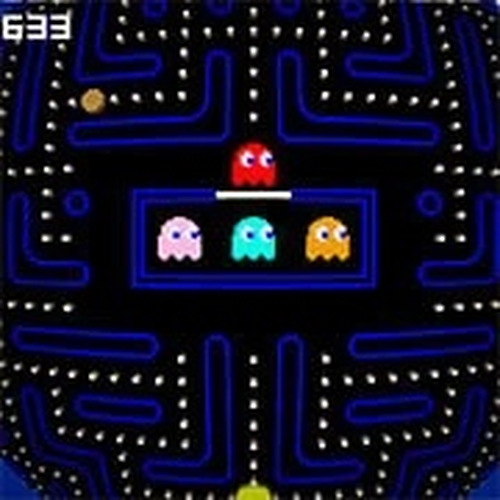
Players control a small vessel moving through maze-like environments on different planets. The main goal is to collect energy orbs scattered throughout each maze. These orbs serve a dual purpose: they increase your score and replenish your ship's fuel gauge. Fuel is a critical resource because your ship cannot operate without it. If the fuel gauge empties while you are in space, the run ends immediately. This creates a constant tension between exploring for orbs and keeping an eye on the fuel level. The mazes are designed with multiple corridors and open areas, encouraging players to find efficient routes.
Obstacle Behavior and Patterns
Several moving obstacles patrol the mazes. Some follow predictable patterns, pausing at certain points before resuming their routes. Others move continuously without stopping, making them harder to avoid. Learning the movement patterns of each obstacle type is essential for planning safe paths through the maze. The obstacles do not chase the player directly but follow set courses. This allows players to memorize routes and time their movements carefully. The mix of predictable and unpredictable obstacles keeps the gameplay fresh across different planets.
Planet Progression and Fuel Strategy
Each planet has its own maze layout and obstacle arrangement. To travel to the next planet, players must first gather enough fuel. A special launch zone appears in a specific location on the current planet. Reaching this zone with sufficient fuel triggers the transition to the next world. The fuel requirement for each jump increases as you progress, so players must decide whether to collect extra orbs or head directly to the launch zone. This decision-making adds a strategic layer to the arcade action. The game does not specify the exact fuel needed for each jump, so players learn through experience.
Controls and Accessibility
The game uses simple keyboard controls. Arrow keys move the ship in four directions. A pause function is available by pressing the P key. These straightforward controls make the game accessible to players of all ages and skill levels. There are no complex combos or special moves to memorize. The focus remains on navigation and resource management. The interface is clean, showing the current fuel level and score clearly on the screen. This design ensures that players can concentrate on the gameplay without distraction.
Visual Style and Atmosphere
The game adopts a space theme with colorful backgrounds and simple character designs. Each planet has a distinct color scheme, helping to differentiate the environments. The mazes are clearly drawn, making it easy to see paths and obstacles. The overall visual presentation is clean and functional, supporting the gameplay without overwhelming the player. The sound effects are minimal, with a few beeps and tones indicating key actions like collecting an orb or reaching the launch zone. This restrained audio approach keeps the focus on the strategic decisions.
Replay Value and Challenge
The combination of maze navigation, fuel management, and obstacle avoidance creates a satisfying challenge. Players can replay planets to improve their scores or try different routes. The increasing fuel requirements for planet jumps provide a natural difficulty curve. The game rewards careful observation and quick decision-making. Both casual players looking for a short session and more dedicated players seeking to master the patterns will find something to enjoy. The free online availability means there is no barrier to trying the game.









💬 Comments
0 comments