Settlement & Strategy: Retro Pixel RTS
Review
Settlement & Strategy: Retro Pixel RTS offers a focused real-time strategy experience built around a satisfying build-gather-expand loop. The pixel art keeps unit and building roles readable, while the research system and terrain advantages add meaningful depth. The constant tension between economic growth and base defense creates genuine strategic choices. However, the game demands strong map awareness and adaptation, which may frustrate those seeking a more forgiving pace. It suits players who enjoy methodical base building and tactical skirmishes.
About This Game
Building a Settlement from the Ground Up
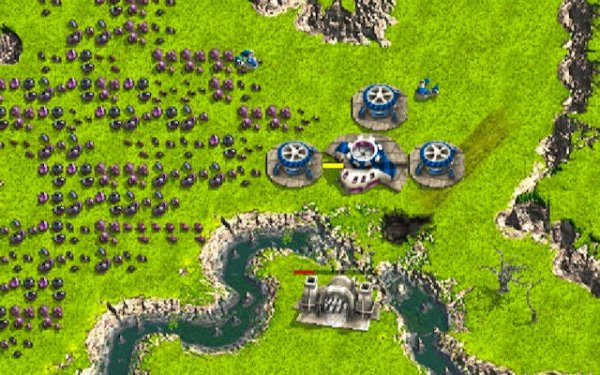
Every match begins with placing a central hub, the command center that anchors all future expansion. From there, you locate nearby resource deposits and start gathering wood, stone, and food. These three resources drive everything: new buildings, unit training, and upgrades. The pixel art style gives each building and resource node a distinct look, so you can read your settlement's status at a glance without opening menus.
Balancing Economy and Defense
The core tension lies in how you spend early resources. More gathering structures mean faster expansion, but they leave your base exposed. Defensive walls and towers offer protection, yet they slow economic growth. A research system adds another layer, letting you improve unit strength, building durability, or resource efficiency. Focusing on economic upgrades early can lead to a powerful late-game army, but it leaves you vulnerable to early pressure. This trade-off forces meaningful decisions throughout each match.
Unit Roles and Tactical Positioning
Victory depends on assembling a diverse army and using each unit type effectively. Some units are built for direct confrontation, while others excel at ranged support or scouting. Positioning matters: placing ranged units behind a frontline of sturdier troops can turn the tide of a skirmish. Terrain also plays a role, as chokepoints and elevated ground offer strategic advantages. Experimenting with different compositions helps you find what works against various defensive setups.
Scouting and Adaptation
Success requires more than a solid plan. Scouting the map reveals your opponent's base layout, resource access, and army composition. This intelligence lets you adjust your strategy, perhaps shifting from a defensive posture to a surprise attack. The fog of war adds uncertainty, rewarding players who maintain good map awareness. Learning to read your opponent's intentions and respond accordingly is a skill that develops over many games, making each encounter feel fresh.









💬 Comments
0 comments