Advertisement
Number Grid Deduction

Number Grid Deduction

Developer: Aura Studio
Updated: 2026-07-21
| Puzzle , Strategy , Logic , Number Grid , Deduction , Brain Teaser

Review

Number Grid Deduction succeeds by focusing on what makes deduction puzzles satisfying: clear rules, fair challenges, and a calm pace. The game never rushes you, allowing thoughtful analysis of each clue. The progression from small to large grids feels natural, and the random puzzle generation ensures no two rounds are alike. The minimalist interface is easy on the eyes and works well on any device. While it does not introduce revolutionary mechanics, it executes the classic formula with polish. For anyone seeking a mental workout that respects their time, Number Grid Deduction is a solid choice.

About This Game

Understanding the Grid

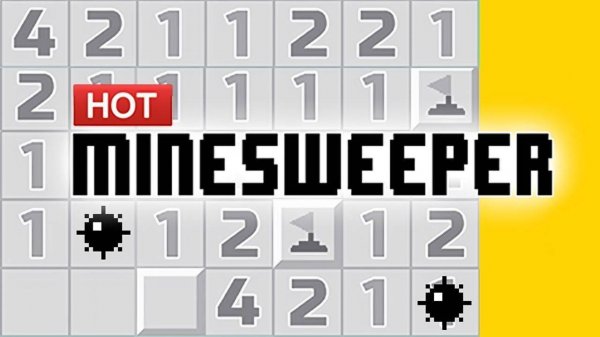
Number Grid Deduction places you before a square field of covered tiles. Your task is to uncover every safe tile while avoiding those that conceal an object. Each time you reveal a tile, a number appears. That number indicates exactly how many hidden objects are in the eight tiles that touch it—including diagonals. This simple numeric feedback is the only tool you have, and it is remarkably powerful. By combining multiple clues, you can deduce the location of every hidden object with certainty. The grid size and number of objects vary, ensuring each round feels fresh.

Core Gameplay Loop

You begin by tapping any tile. If it reveals a number, you know how many objects are nearby. If it reveals an object, the round ends. Your task is to use the numbers to identify which neighboring tiles are safe and which hold objects. You can place a marker on tiles you believe contain objects, helping you track your deductions. The game continues until you have cleared all safe tiles or made a mistake. Early rounds use smaller grids and fewer objects, allowing you to learn the logic. Later rounds increase the grid size and object count, demanding more complex reasoning.

Difficulty Progression

Number Grid Deduction introduces new players to its logic through simple configurations. As you complete puzzles, you unlock grids with more tiles and a higher density of hidden objects. This gradual increase in complexity helps you build pattern recognition skills. You will learn to recognize common arrangements, such as a tile showing 1 that is surrounded by unopened tiles, which often indicates a single object nearby. The game never rushes you, so you can take as much time as needed to analyze each situation. This makes it accessible to younger players while still offering depth for experienced puzzle enthusiasts.

Visual Design and Accessibility

The interface of Number Grid Deduction is intentionally minimal. Tiles are clearly defined, numbers are easy to read, and markers are distinct from uncovered tiles. The color palette uses soft, neutral tones that reduce eye strain during extended play. The game works smoothly on both desktop computers and mobile devices, with touch controls that respond accurately. There are no timers or pressure elements, allowing you to play at your own pace. This design makes the game suitable for short breaks or longer, focused sessions. The clean visuals also ensure that the game remains family-friendly and appropriate for all ages.

Strategic Thinking

Success in Number Grid Deduction depends on methodical reasoning rather than speed. A common strategy is to start with tiles that are surrounded by many unopened neighbors, as they provide the most information. When you see a 0, you know all adjacent tiles are safe and can be revealed immediately. When you see a number equal to the count of unopened adjacent tiles, you know every one of those tiles holds an object. These two rules form the foundation of all advanced strategies. Over time, you learn to combine clues from multiple numbers to resolve ambiguous situations. The game rewards patience and careful thought, making each solved puzzle satisfying.

Replayability and Variety

Because each puzzle is generated with a random arrangement of hidden objects, no two rounds are identical. This randomness ensures that you cannot simply memorize solutions. Instead, you must apply logical deduction anew each time. The game may also include optional challenge modes, such as larger grids or a limited number of mistakes allowed. These variations keep the experience engaging for returning players. The core rules remain the same, so you can pick up the game after any break and immediately understand what to do. This combination of consistent mechanics and variable puzzles gives Number Grid Deduction lasting appeal.

Compatibility

▸ Desktop: Chrome / Edge / Firefox / Safari
▸ Mobile: iOS Safari / Android Chrome
▸ Tablet: iPadOS Safari / Android Tablet Browser
Keep your browser updated for the best experience

Faq

Is Number Grid Deduction free to play?
Yes, Number Grid Deduction is completely free to play. There are no hidden charges or subscription fees. You can enjoy all available puzzles without any payment. Some versions may offer optional cosmetic upgrades, but these are not required to play the full game.
Can I play Number Grid Deduction offline?
Number Grid Deduction can be played offline once the game is loaded in your browser or installed as an app. The puzzles are generated locally, so you do not need an internet connection to play. This makes it a great choice for travel or areas with limited connectivity.
Does Number Grid Deduction have an undo button?
The game typically does not include an undo feature, as mistakes end the round immediately. This design encourages careful thinking before each tap. If you make a mistake, you simply start a new puzzle. The focus is on learning from errors and improving your deduction skills.
What age group is Number Grid Deduction suitable for?
Number Grid Deduction is suitable for players of all ages. The simple rules and gentle difficulty curve make it accessible to children as young as eight. Older players will appreciate the deeper logic puzzles available at higher difficulty levels. The game contains no inappropriate content.
Are there different grid sizes in Number Grid Deduction?
Yes, Number Grid Deduction offers multiple grid sizes. Beginners start with small grids, such as 9x9, which are easier to solve. As you progress, you can unlock larger grids like 16x16 or 30x16. Larger grids contain more hidden objects and require more complex logical reasoning.
How does Number Grid Deduction compare to other logic puzzles?
Number Grid Deduction shares similarities with classic deduction puzzles like Minesweeper, but it emphasizes logic over speed. There are no timers, and the visual design is cleaner. The game focuses purely on deductive reasoning, making it a more relaxed and thoughtful experience than many similar titles.

💬 Comments

0 comments
U
User
Loading comments...