Number Grid Deduction
Review
Number Grid Deduction offers a focused logic challenge. The mechanic is simple: numbers tell you how many objects touch a tile. From there, you deduce safe tiles and object locations. The game gradually increases grid size and object density, building pattern recognition. There are no timers, making it accessible to younger players and those who prefer to think without pressure. The random generation ensures replayability. However, the experience is entirely abstract, so players seeking narrative or visual flair may find it minimal. It is best suited for fans of pure deduction puzzles.
About This Game
The Core Deduction Mechanic
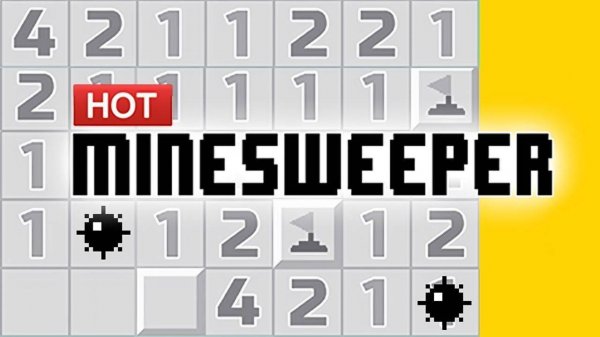
Number Grid Deduction presents a square grid of covered tiles. Your goal is to reveal every safe tile without uncovering one that hides an object. Each time you reveal a tile, a number appears. That number tells you exactly how many objects are in the eight neighboring tiles, including diagonals. This single piece of feedback is the only information you get, but it is enough to solve the puzzle with certainty if you reason carefully. You can place markers on tiles you suspect contain objects, helping you track your conclusions. The grid size and number of objects change from round to round.
How a Round Unfolds
A round begins when you tap any tile. If it shows a number, you learn how many objects are nearby. If it hides an object, the round ends immediately. From there, you use the numbers to decide which neighboring tiles are safe to reveal and which should be marked. The round continues until you have cleared all safe tiles or made a mistake. Early rounds use smaller grids and fewer objects, letting you learn the basic logic. Later rounds increase both grid size and object count, requiring more complex reasoning.
Difficulty and Accessibility
The game introduces its logic through simple configurations. As you complete puzzles, you unlock grids with more tiles and a higher density of hidden objects. This gradual increase helps you build pattern recognition. For example, a tile showing 1 surrounded by unopened tiles often means a single object is nearby. There are no timers or pressure elements, so you can take as long as you need. The interface is minimal, with clearly defined tiles, easy-to-read numbers, and distinct markers. Soft, neutral colors reduce eye strain. The game works on both desktop and mobile devices with accurate touch controls.
Strategic Thinking and Replayability
Success depends on methodical reasoning rather than speed. A common strategy is to start with tiles that have many unopened neighbors, as they provide the most information. When you see a 0, all adjacent tiles are safe and can be revealed immediately. When you see a number equal to the count of unopened adjacent tiles, every one of those tiles holds an object. These two rules form the foundation of advanced strategies. Because each puzzle is generated with a random arrangement of hidden objects, no two rounds are identical. You cannot memorize solutions; you must apply deduction anew each time. The game may include optional challenge modes, such as larger grids or a limited number of mistakes allowed. The core rules remain consistent, so you can pick it up after any break.






💬 Comments
0 comments